
DO GOOD FUND FELLOWSHIPS
Since Lauren Henkin served as our first artist-in-residence in 2015, we’ve supported select photographers working on projects in the American South including Stacy Kranitz, Carolyn Drake and Jared Ragland. “Artist-in-residence” didn’t quite fit these collaborations, so we’ve re-titled these collaborations as Do Good Fund Fellowships
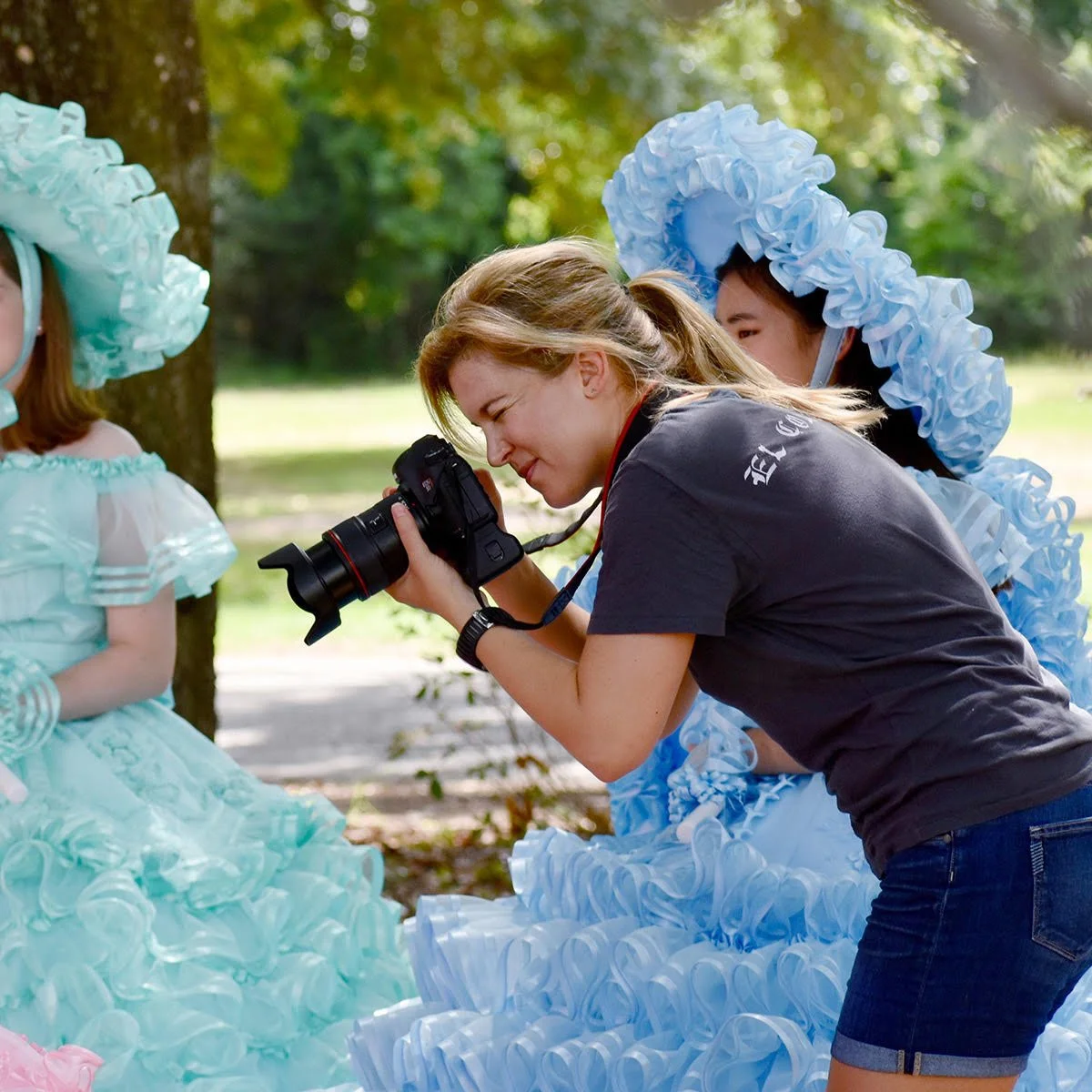
Image courtesy of Adair Freeman Rutledge
2024-2025 Do Good Fund Fellow
The Do Good Fund is very pleased to formally introduce Adair Freeman Rutledge as our 2024-25 Do Good Fund Fellow! Over the next year she will be expanding her series The Royals, where she explores ideas of tradition, femininity, and legacy through small-town festivals in the South. The fellowship will culminate in an exhibition of the series in the Do Good Fund Gallery from August 15 - October 17.
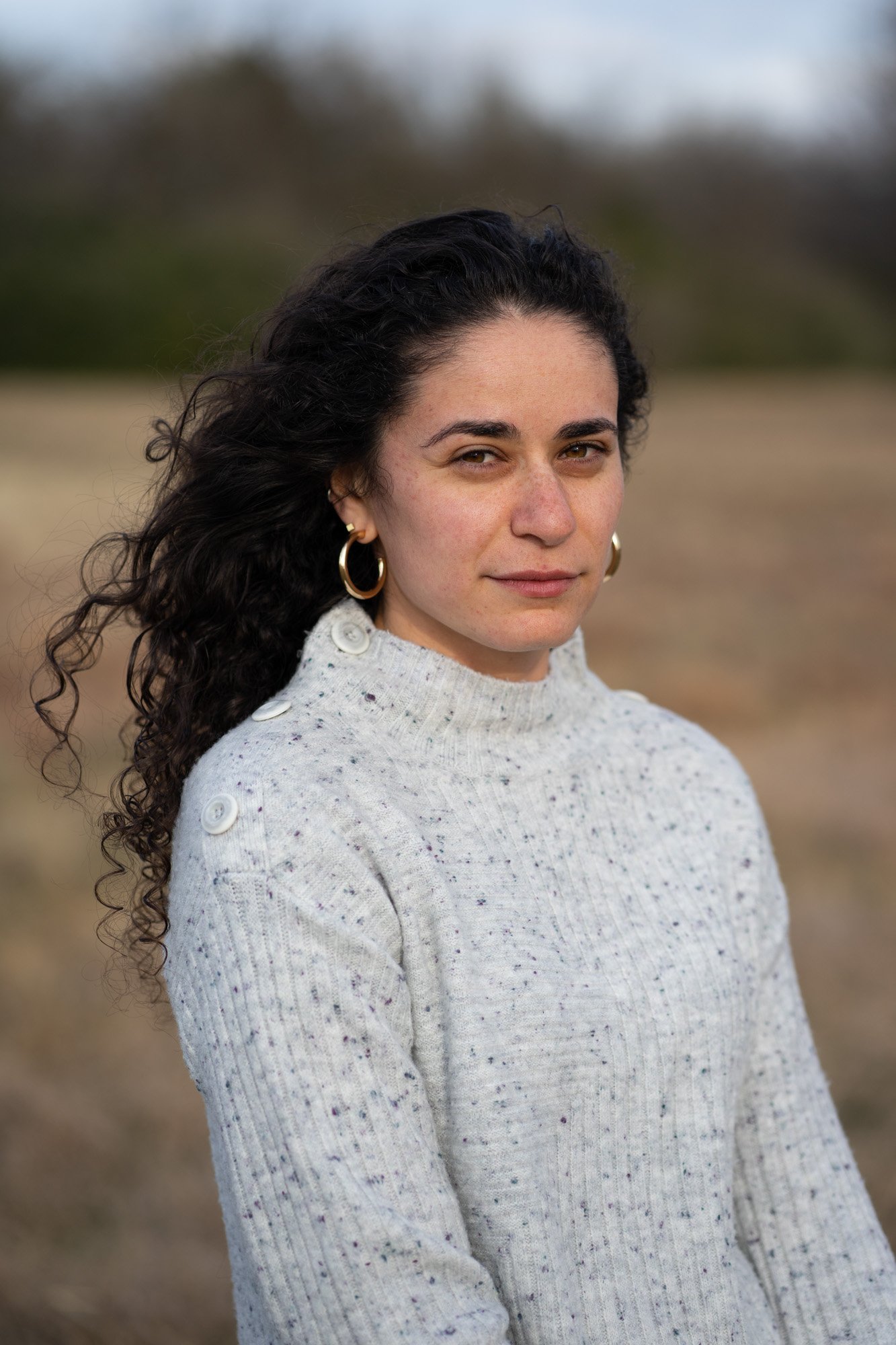
Portrait of Emily Rena Williams courtesy of Raul Rodriguez
2025 Do Good Fund Curatorial Fellow
The Do Good Fund welcomed Emily Rena Williams as our inaugural Do Good Fund Curatorial Fellow! From April to August, Emily joined us at The Do Good Fund to research and put together collections for traveling exhibitions.
The Do Good Fund Curatorial fellowship is a six to twelve month residency in Columbus, Georgia that provides the opportunity for individuals holding an MFA to take part in curatorial research and develop exhibitions that highlight the diversity and breadth of The Do Good Fund collection.
Emily is an artist and educator interested in investigating communal and individual memory, identity, and placemaking through photography, writing, and audio. She holds a BA in fine arts and history from Haverford College and an MFA in photography from Louisiana State University. After earning her MFA, she served as a curatorial fellow at The Do Good Fund in Columbus, Georgia. Emily is currently a first year in the American Studies PhD program at University of North Carolina Chapel Hill where she is a Tau Epsilon Phi Fellow at the Carolina Center for Jewish Studies. Her work, titled We had to know who we were; We had to know who we weren't documents Jewish communities past and present in the rural and small-town Deep South through photography and oral history interviews. She has received support from the Southern Jewish Historical Society, Texas Jewish Historical Society, the LSU School of Art Graduate Student Scholarly & Creative Activity Support Fund, the Alabama Folklife Association, and the Texas State Historical Association.
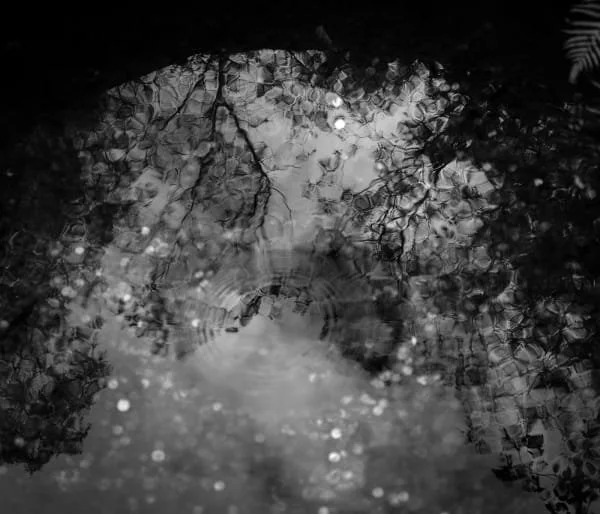
Jared Ragland, Dallas County, Ala. Perine Well at Old Cahawba, 2020, archival pigment print
2020-2021 Do Good Fund Fellow
As a 2020-21 Do Good Fund Artist-in-Residence, Jared Ragland traveled across more than 15,000 miles and 50 counties in his home state of Alabama to photograph during a critical moment of pandemic and protest, economic uncertainty, and political polarization. By tracing historic colonial routes including the Old Federal Road and Hernando de Soto’s 1540 expedition while bearing witness to ongoing racial, ecological, and economic injustice, his series What Has Been Will Be Again illustrates the perpetuated segregation and sequestration masked by white supremacist myths of American exceptionalism. What Has Been Will Be Again was made with additional support from the Alabama State Council on the Arts and National Endowment for the Arts, Magnum Foundation, Wiregrass Museum of Art (Dothan, Ala.), Coleman Center for the Arts (York, Ala.), and the Aftermath Project.
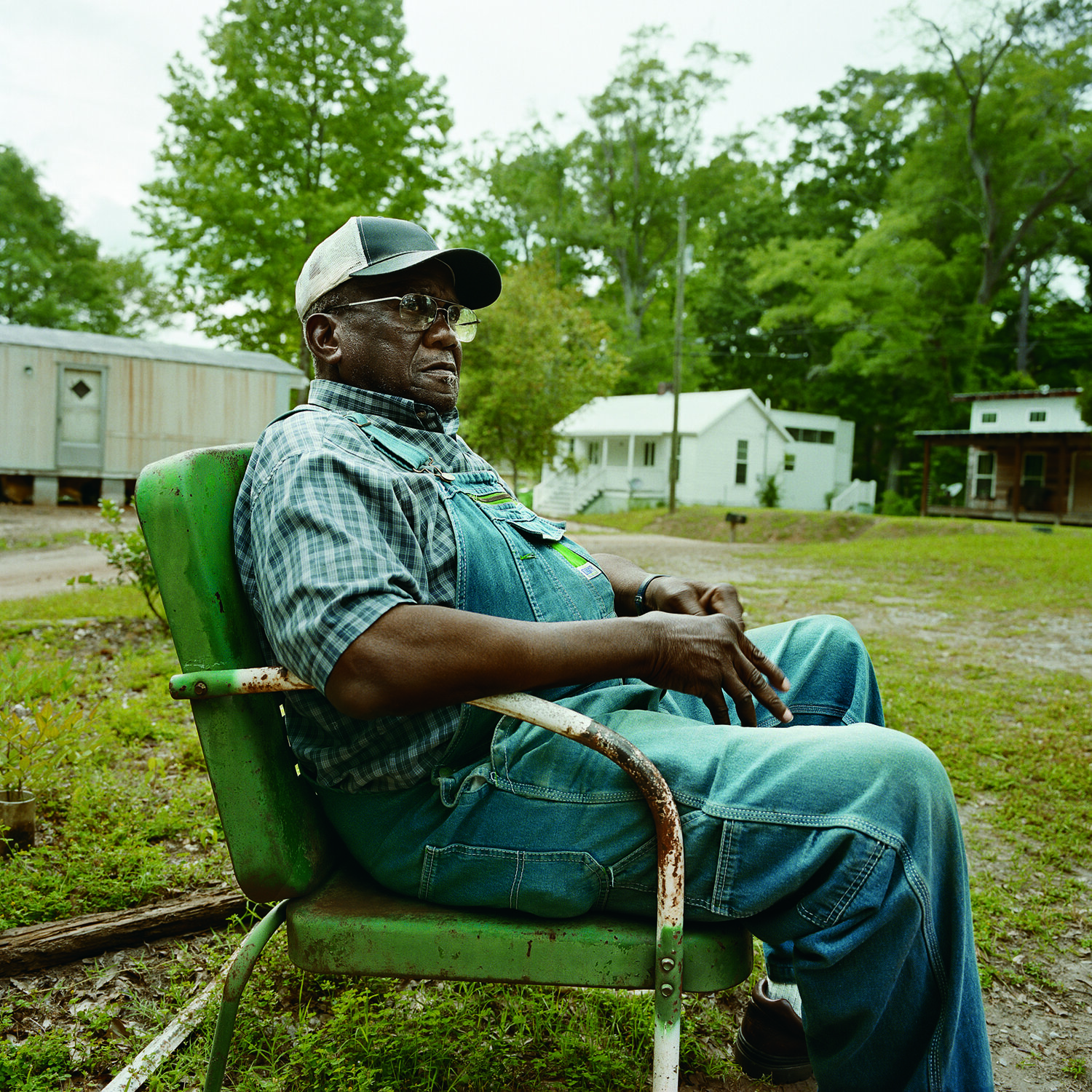
Lauren Henkin, Love Your Neighbor as Yourself, 2015, archival pigment print
2015-2016 Do Good Fund Fellow
Lauren Henkin’s residency was based in Hale County, Alabama, the heart of the Black Belt and sacred terrain for any photographer. Henkin was familiar with images of Hale County from the iconic photographs of Walker Evans, William Christenberry, and Gordon Parks among others. Henkin said she felt “grounded in Alabama- the darkened soil acting as magnetic pull.” Aware of being an outsider from Maine, she said, “I knew I would never be able to take ownership of the place, but I could remark on its lush landscape, its humble people, its primaries of reds, blues, and greens.” Talking about her experience in Hale County and the photographs she made while there, Henkin said, “The place itself is sacred terrain, drawing artists from near and far, trying to define a place and people that carry a history of the medium. It is a region filled with a rich complexity that cannot be explained or dissected.”